| reviewed by Charles T. Markee | [more] [back] |
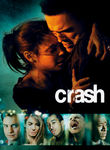
Crash (2004)
A voice-over begins, "In LA, nobody touches each other, but they need contact, so they crash." The background visual for this lead-in is the same as the background for the finish, many out-of-focus headlights. Both introductory elements speak to the collision of lives and that's what the movie is all about.
It's a different approach to a technique created for the 1993 film, Short Cuts which was directed by Robert Altman and written by an important figure in American short story literature, Raymond Carver. The difference in this newer film is three fold: increased stimulation, pervasive anger and out-of-control racial prejudice.
In Crash, there is no storyline as such, just a tapestry of interwoven vignettes, all related in unexpected ways. The screenplay modus operandi is to explore pressure points of different personalities as collisions occur, usually with racial discrimination as the theme. This discrimination both causes anger and is created by anger, so that watching the film, it seems that all of LA is angry. But interactions between seemingly unrelated characters take unexpected twists, just like life. And just like life, some of the twists end up badly and some of them end okay.
The action takes place over 36 hours, beginning with the same scene that also ends the film, so that all the interim stories are a flashback to events leading up to this final scene. It's very cleverly done. There's no question that the actions of characters are manipulated to get the personal collisions the writer desires, so we, the audience, are also manipulated. In that sense, it is a plot driven story rather than character driven, although most of the characters react, as you might expect them to. I say "most" because there are a couple of exceptions that you can look for if you watch this.
The surprising emotional impact in the last half of the film is that racial prejudice doesn't make any sense for any of the characters. In that sense, it's an effective didactic movie.
Overall, the film is well done and the acting is excellent. There are a few well-known names in the cast: Sandra Bullock, Matt Dillon and Brendan Frazer, for example. But the casting is less important than the fact that all the acting is completely believable.
Reviewed October 5, 2005
MPAA: Rated R for language, sexual content and some violence.
| Copyright 2005 Charles T. Markee | [more] [back] |