| reviewed by Charles T. Markee | [more] [back] |
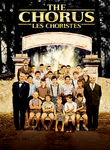
The Chorus: Les Choristes (subtitles)
This French film begins with a conductor leading a symphony performance in New York, and then almost immediately, flashes back to a boy's home in France, circa 1949. We know it will be about the conductor's past. The story begins as the protagonist, Clément Mathieu, a music teacher and composer, named "chrome dome" by the kids, takes a position as prefect, at a boys' school for orphans and delinquents. Most of the screenplay is this flashback.
The storyline is straightforward and predictable. However it's a feel good plot that's better than average entertainment. Resistance, difficulties and setbacks replace rising action as the story moves to its conclusion. Along the way, there's pathos that's embraced by hope and positive anticipation. Mathieu's obstacle in reaching his students, in addition to the attitude of the boys, is the headmaster, Rachin, who is labeled in the film description as a martinet, for his overbearing disciplinarian approach to control.
This is a period piece, set more than fifty years ago in a school environment very different from American schools. Teachers garnered more respect and students understood the benefits of schooling and could therefore be more easily channeled. Without this sensibility, events in the film would be viewed as fantasy. There is of course, plot manipulation toward the desired outcome. But there is also the reality of the time, the poverty, Spartan less than adequate facilities, the disappointments and the economic condition of post WWII France.
Gerard Jugnot plays the prefect, Mathieu, and his long acting career shows in the development of this character. We see a balance between sensitivity and firmness, the essence of his role. He follows in the tradition of some other compelling actors who have done stories related to teaching: Samuel Jackson in Coach Carter (2005), Meryl Streep in Music of the Heart (1999), and Edward James Olmos in Stand and Deliver (1988). One big difference is that he really looks like a music teacher.
The support cast, particularly the boys, was excellent. And the story was engaging from beginning to end, a credit to first-time director, Barratier.
Reviewed August 14, 2005 Copyright 2005 Charles T. Markee
MPAA: Rated PG-13 for some language/sexual references and violence.
| Copyright 2005 Charles T. Markee | [more] [back] |