 Last Temptation of Christ, The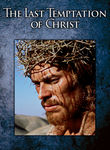
| reviewed by Chuck Markee |
[more] [back] |
by Chuck Markee
| reviewed by Chuck Markee | [more] [back] |
|
This 1988 film is not for everyone, although in my opinion it should be. It is Martin Scorsese's dramatic presentation of the last year or so of Christ's life in two hours and 43 minutes. You'll see Barbara Hershey as Mary Magdalene, Harvey Keitel (remember the film Piano) as Judas and Willem Dafoe as Jesus. Even though these actors in particular don't look like Palestinians, Scorsese does stick to a period environment, e.g. the last supper is sitting on the floor, not at a medieval table. We all know the main plot line, so I don't have to worry about blowing the story for you. Scorsese goes to great lengths to depict Christ, as a man, with all the human failings of man - e.g. doubt, fear and the struggle to determine his purpose in life. This part fits the religious perspective, which places Christ on earth to suffer as a man, which he couldn't do unless he believed he was a man. Also, a lot of the story tracks scripture: the temptation in the desert, miracles of curing the sick and raising the dead and so on. But Judas' betrayal gets a different twist, in that this film Jesus convinces Judas to turn him in so he can die `willingly'. I noticed that Jesus as a character in the film uses dialogue, which today might trigger thoughts of mental aberration, e.g. hearing voices that no one else heard. However, maybe we should just chalk that up to current day skepticism, since the bible is full of folks who heard from God. A turning point in the plot occurs when Jesus takes on his role as the messiah after his 40-day experience in the desert. He had gathered his apostles before this, but now they begin the movement in earnest, which will result in Christianity. Scorsese carries Jesus' humanity as a key factor in the film all the way to the crucifixion. Here is where the last temptation occurs. An angel (maybe?) appears in the form of a little girl who takes him off the cross and escorts him into a normal life of love, marriage, family and normal old age death. But it's a hallucination, a fact that is not that unlikely considering the beatings, torture and suffering his body has experienced ... as a man. In the end, Jesus beats this temptation and dies `willingly'. The film is not iconoclastic in my mind although it apparently created a lot of controversy in its time. I found the subject sensitively handled and thoughtful. There is film violence, because there was violence. No recommendation here. If you want to watch it, it must be for your own reasons. |
| Copyright 2005 Chuck Markee | [more] [back] |